7 Ways AI is Revolutionizing Modern Healthcare
4. Enhanced Remote Patient Monitoring and Telehealth
Telehealth became a necessity during the COVID-19 pandemic, but its evolution, propelled by AI, is turning it into a cornerstone of proactive, longitudinal care. While a standard video consultation is valuable, AI-powered remote patient monitoring (RPM) transforms it from reactive troubleshooting into proactive wellness management.
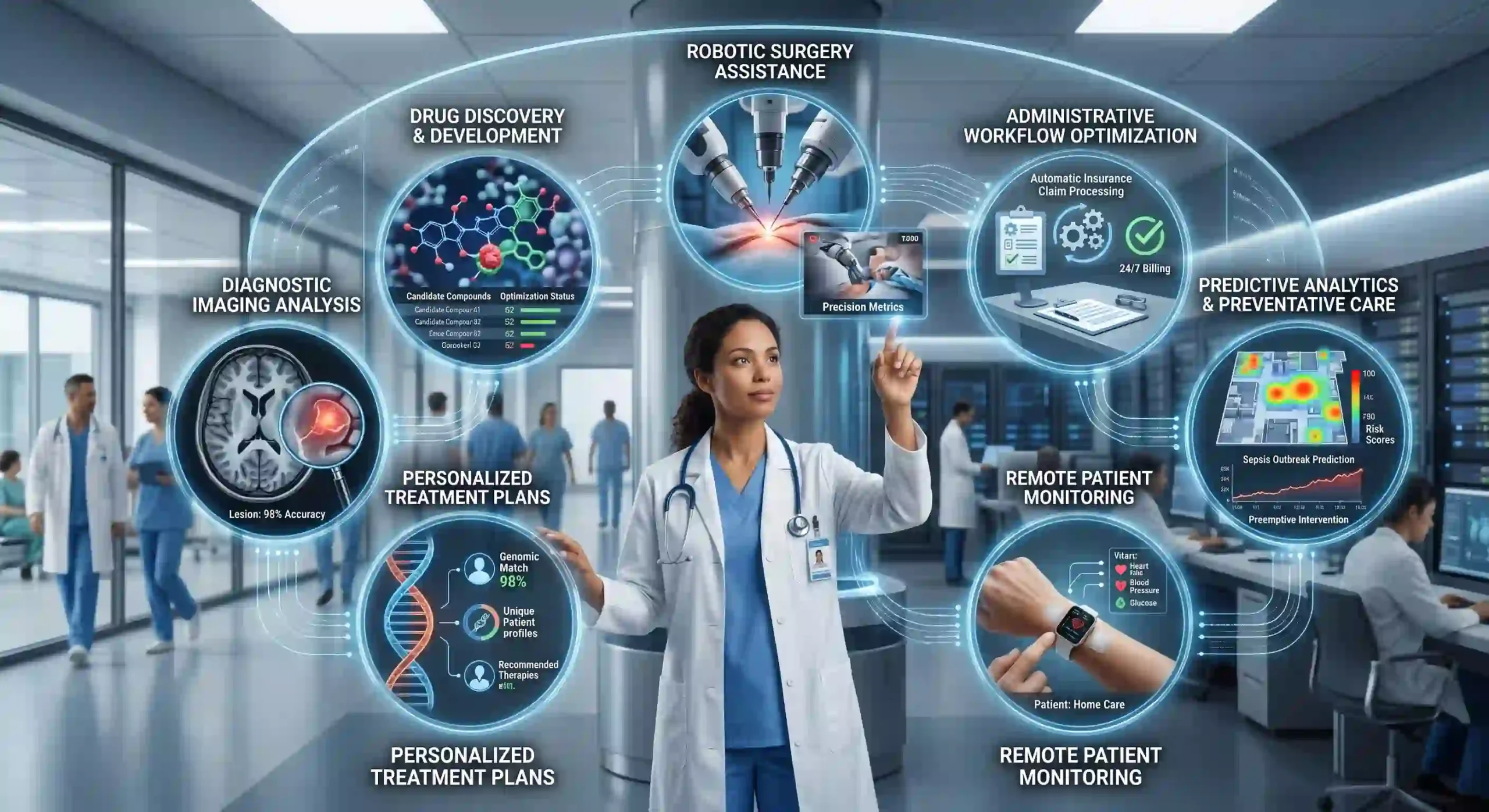
AI bridges the gap between patient and provider by analyzing data stream from a new generation of consumer and medical wearables (like smartwatches, ECG patches, and glucose monitors).
Instead of relying on a patient’s subjective report (“I feel a bit short of breath”), AI can analyze objective, continuous data to identify concerning trends before a crisis occurs.
- Heart Failure Prediction: AI can analyze subtle changes in a patient’s weight, blood pressure, heart rate variability, and activity levels to predict an impending heart failure exacerbation, allowing for outpatient medication adjustment rather than emergency hospitalization.
- Chronic Disease Management: For conditions like diabetes or COPD, AI virtual assistants can provide real-time coaching, medication reminders, and behavioral feedback based on real-time data, keeping patients adherent and healthy.
- Mental Health Support: AI-powered chatbots (like Woebot or Wysa) can provide 24/7 Cognitive Behavioral Therapy (CBT) techniques to manage stress and anxiety, acting as a crucial triage tool in mental healthcare.
This continuous monitoring allows healthcare providers to maintain a constant “digital pulse” on their most vulnerable patients, moving from episodic intervention to predictive, personalized wellness.